

Aviator multiplier shows how a rising flight value changes before every sudden crash. At JL14, members watch live movement and choose cashout during each round. This article addresses members and players, explaining rules, timing, and screen information. How the Aviator multiplier defines each flight round The Aviator multiplier begins near 1.00x and increases while the […]
Arcade – Clear Fast Missions For Bright Prize Goals
Arcade covers short games built around quick inputs, clear targets, and immediate results on JL14. This guide serves members and players who need rules, room choices, and correct steps before starting.
A clear overview to the Arcade game lobby
The game lobby on JL14 groups short rounds around touch controls and direct outcomes. Arcade titles begin quickly, present one objective, and finish within a compact session. Each screen keeps key buttons visible, helping members follow actions without lengthy instructions.
Most rooms use symbols, targets, tracks, wheels, or timed tasks as their central format. Players may meet goals, collect items, avoid obstacles, or trigger a result panel. Different themes change presentation, while basic interaction remains easy to identify for members.
Before opening any room, members should review entry values, speed, and control options. When amounts appear in PHP or USD, selected currency should match the account display. Clear records help players understand whether a round ended, produced a reward, or required action.

Popular game sections with fast round formats
Arcade rooms differ through pace, scoring, layout, and control timing. These four formats represent common choices for members seeking structured digital rounds.
Racing games with timed tracks
Racing games place members on tracks with turns, barriers, boosts, and timed checkpoints. Controls usually cover steering, acceleration, braking, or lane choices before obstacles appear. Accurate timing matters because small input delays can change the final position.
Some rounds use solo trials, while others display several computer-controlled rivals. Players should read track markers early and separate boosts from decorative road effects. That distinction reduces missed turns and keeps movement connected to the course layout.
In an Arcade racing room, results may show rank, time, and collected rewards. Members should wait for the final panel, especially after a close finish. Restart buttons begin a fresh attempt without changing the previous recorded outcome.
Shooting titles with target waves
Shooting games present targets that move, appear briefly, or arrive in ordered waves. Members aim through touch controls, crosshair movement, or fixed lanes by room design. Points usually depend on target type, hit accuracy, and remaining round time.
Players should identify priority targets because some objects carry different score values. Background animations may resemble active objects, so shape recognition supports better selection. Random tapping can waste available shots and hide important movement patterns during each wave.
Each Arcade shooting session may include bonus icons, shielded targets, or multiplier periods. Members should confirm which icon activates an effect before assuming every symbol gives points. Result panels separate hits, misses, score totals, and any completed objective for review.
Gem pairing with linked symbols
Gem matching games ask players to connect identical symbols across rows, columns, or nearby spaces. A valid move often needs three matching pieces, although rules may set another condition. Completed links remove symbols and allow new pieces to enter the board.
Special pieces can appear after longer combinations and clear rows, columns, or nearby areas. Members should inspect the board because one match can change several later options. Early combinations near the bottom often create more space for falling symbols.
Within an Arcade gem room, timers, move limits, or score targets can define success. Players should check the objective before using a special piece on a minor match. The final board matters only when the room confirms completion through its result screen.
Lucky wheel and mini games
View more: Slots – Spin Fresh Reels With Bonus Prize Features
Lucky wheel rooms center on a spin control, divided segments, and a fixed pointer. Members select an entry, confirm the round, and wait until the wheel stops. The pointer position determines the result according to the visible segment layout.
Mini games may use boxes, cards, taps, meters, or short reaction tasks. Each format needs separate reading because similar graphics can follow different result conditions. Players should check instructions before starting instead of relying on another room’s controls.
When PHP or USD values appear, members should confirm the amount before final approval. A completed mini game should show a status, reward line, or unsuccessful result. Leaving before confirmation can make the round status harder to read.

How game rounds proceed clear play steps
Good Arcade play begins with understanding the objective, input method, and result condition. Clear steps prevent wrong selections and help members follow every stage in order.
Core Arcade round rules
Every round starts after the player selects an entry and confirms the displayed amount. The screen then activates its controls, timer, board, track, or target field. No result becomes final for members until the room displays a completed status.
Rules may define valid taps, matching patterns, target values, wheel segments, or finish conditions. Members should read these details because similar visuals do not guarantee identical mechanics. A symbol can carry different meanings across rooms despite its familiar shape.
During an Arcade round, players should follow active prompts instead of pressing disabled areas. Warnings, countdowns, and confirmation windows show when an action still needs attention. Closing the room during such prompts may interrupt the visible sequence before completion.
Starting and finishing each round
First, open the chosen room and read its objective, controls, and entry display. Second, select the setting that matches the intended speed or round type. Third, confirm the amount after checking whether the account shows PHP or USD.
Once play begins, follow the active control and watch the progress indicator. Timed rooms require prompt input, while turn-based boards allow deliberate selection. Members should avoid another screen until the current result becomes visible.
After completion, review the final status, recorded score, and listed reward. Use replay only for a new round because it creates another separate entry. Return to the lobby after confirming no pending message remains on screen.
Reading outcomes and game signals
Result screens combine status text, score details, symbols, and a final amount. Members should read written status first because animations may continue after calculation. A win line, completion note, or unsuccessful label gives the clearest outcome.
Game signals include sound cues, flashing borders, progress bars, and countdown icons. Players should connect each signal with nearby text instead of interpreting color alone. This method separates active bonuses from ordinary background movement for clearer reading.
Round history supports review when the current screen closes too quickly. Members should compare time, game name, amount, and status within the record. Any unclear entry should be checked through official account support before another action.

Conclusion
Arcade offers compact game formats with direct controls, visible objectives, and fast result screens. Members can use JL14 after completing registration and reviewing account settings. Download the app, choose a suitable room, and enjoy each round with good luck.

20
Th7
Th7
Crash predictor content often appears beside crash betting guides, yet its claims need careful review. At JL14, members can study round behavior while checking how external signal services present methods. This article serves new and returning players, explaining prediction claims so decisions follow clear evidence. Crash predictor basics and fundamentals limits for online betting A […]

20
Th7
Th7
JetX guide introduces the main flight process available through JL14 for Philippine members. It explains how rounds begin, how multipliers rise, and when cash-out requests become valid. This article serves new players who need clear instructions, accurate rules, and orderly betting steps. What the JetX guide covers before flight The game uses a virtual aircraft […]

20
Th7
Th7
Coin Miner strategy starts with reading the grid before selecting any covered position. Each choice may raise the return or reveal an ending tile immediately. This guide addresses members using JL14, helping them understand rules, decisions, and round targets clearly. Understanding Coin Miner strategy fundamentals at JL14 The main idea behind Coin Miner strategy is […]
20
Th7
Th7
Limbo strategy gives members a clear way to select targets before each round begins. At JL14, players can place amounts in PHP or USD and follow instant multiplier results. This guide serves new and regular members, helping them understand settings, choices, and round flow. How Limbo strategy influences each multiplier decision Limbo is a multiplier […]
20
Th7
Th7
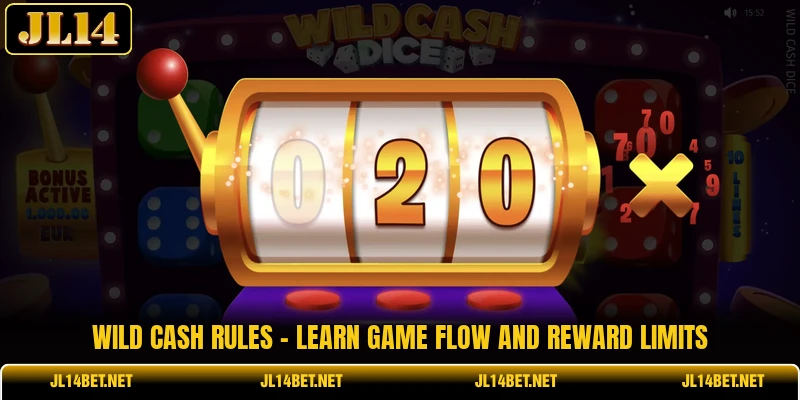
Wild Cash rules outline how each round starts, develops, and ends on JL14. Members should read the paytable, stake controls, and feature notes before placing any wager. This guide serves new and returning players, helping them follow outcomes and understand each game instruction. A clear overview to Wild Cash rules The game presents a compact […]